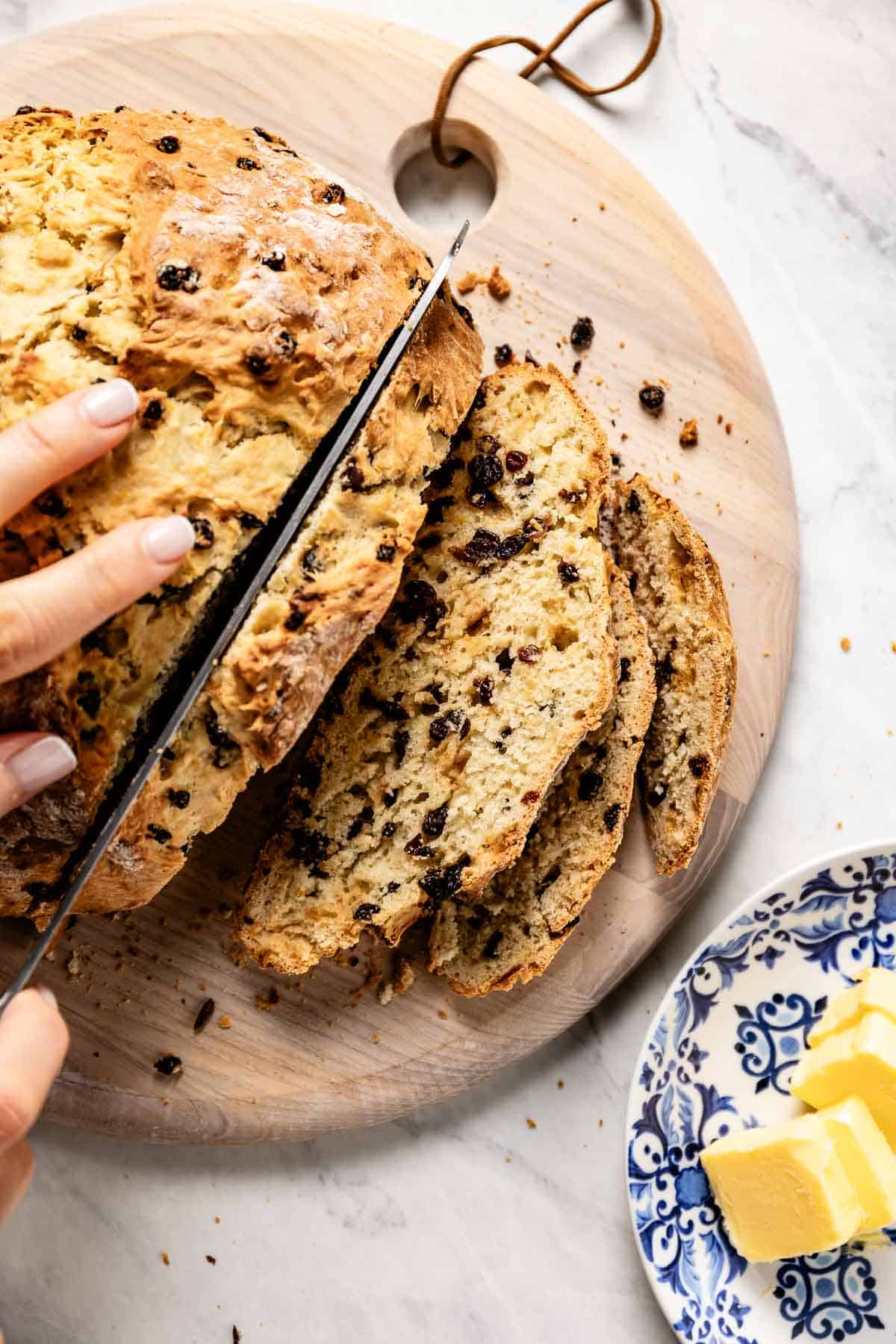
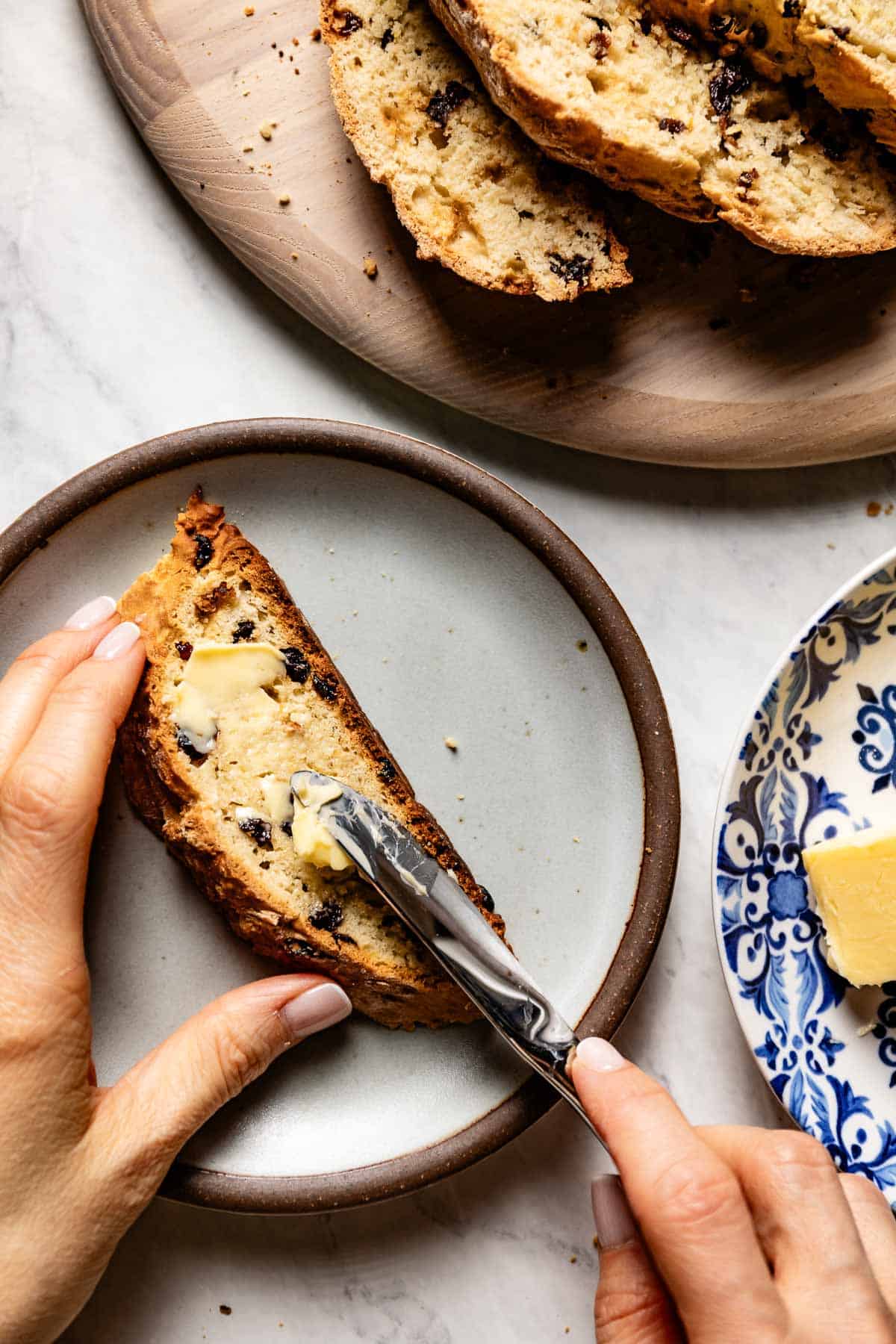
We are big fans of Ina Garten, so if you love Ina Garten recipes as much as we do, be sure to make her Pot Roast, Chicken Stock, and Butternut Squash Salad. If you make many Ina Garten bread recipes, keep in mind that this is her Irish Soda Bread with orange zest and currents, which is not the same as her Guinness Bread. That recipe is more of a brown bread and includes Guinness beer. The original recipe of yeastless bread was created by the Native Americans, and then adopted in Ireland in the 1840s when baking soda was introduced to Ireland. They originally used pearl ash (potash or potassium carbonate) as the leavening agent for quick bread. The famous Ina Garten soda bread has the basic ingredients and a few untraditional (but welcome) additions to the original recipe. We will need the following ingredients:
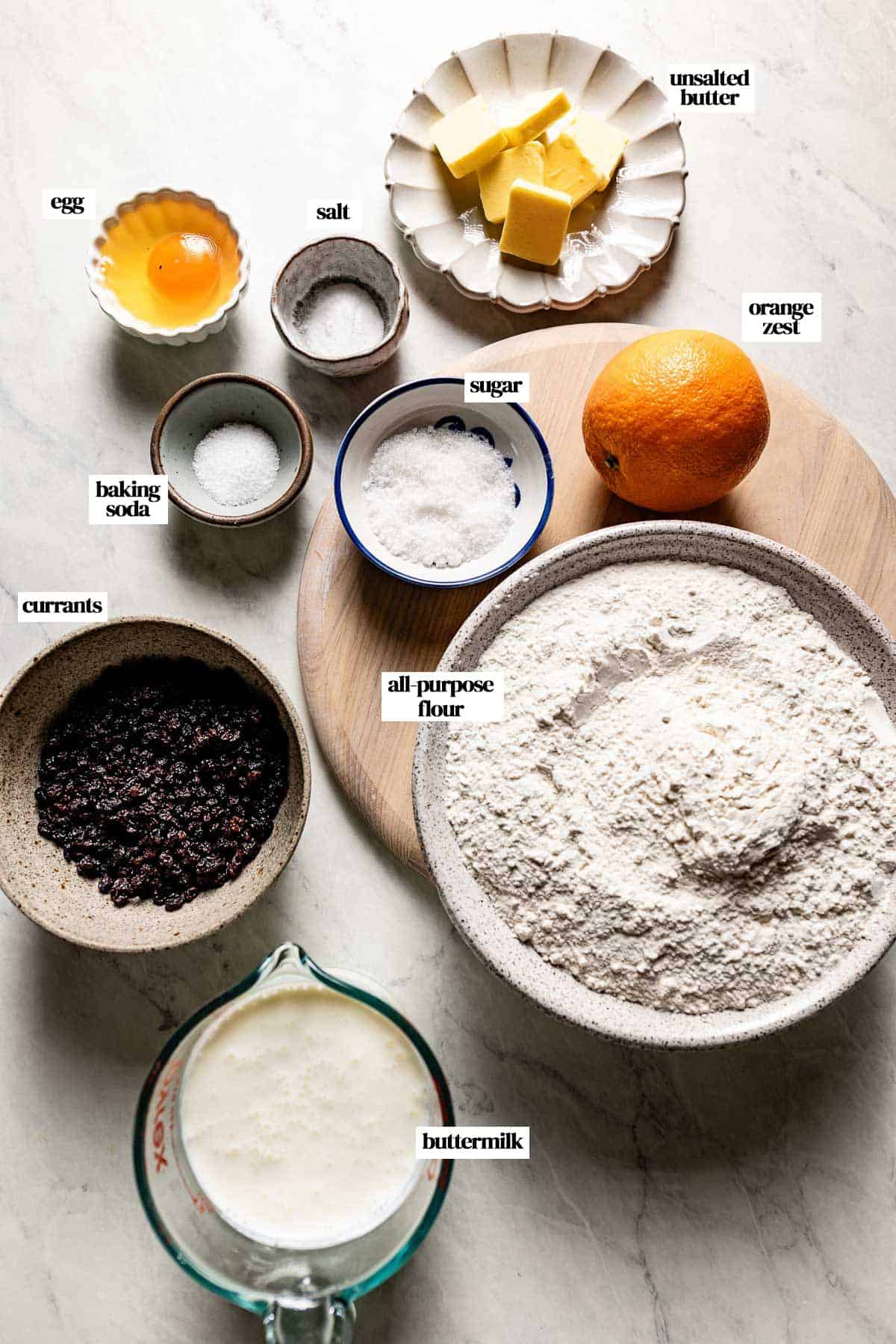
All-purpose flour: The original Irish soda bread recipe used soft wheat flour, which is the same as modern-day all-purpose flour. If you’d like a bit more flavor and fiber, replace one cup of white flour with whole wheat flour instead. Sugar: Ina uses ¼ cup (4 tablespoons) granulated sugar, but I reduced it to 2 tablespoons. You can use regular granulated sugar, organic cane sugar, coconut sugar, or brown sugar. Baking soda: The key ingredient and where Irish soda bread gets its name. For best results, make sure your baking soda is fresh and not expired. Kosher salt: Kosher salt enhances the tangy, sweet flavors in this quick bread recipe. Cold Unsalted butter: It is crucial that the unsalted butter is cold. I like to cut it into small pieces and keep it in the fridge until I am ready to mix. Buttermilk: Buttermilk (the modern-day version of sour milk) is essential to the rise. Thanks to the cultured aspect of this dairy drink, the buttermilk also contributes to the flavor, acidity, and moisture. Egg: One egg helps make the loaf more cohesive and dense. You can make it without the egg, but I recommend keeping it in the recipe. Barefoot Contessa’s recipe uses an extra-large egg, but I used a large egg and didn’t notice a difference in texture. Orange zest: Although untraditional, orange zest adds a special sharpness that truly sets this orange soda bread apart. Currants: Dried currants add a pop of sweetness and color. You can replace them with raisins or dried cranberries, but if you go with those larger pieces of dried fruit (compared to currants) chop them up a bit before mixing. For even more flavorful additions, you can experiment with the addition of caraway seeds, fresh herbs, or shredded cheese.
Storage: Wrap it in foil or store it in an airtight container at room temperature for up to 3 days. Freeze: If freezing the whole loaf, double wrap in plastic wrap, then in a layer of aluminum foil. If freezing individual slices (recommended), seal them tight in a zip-top freezer bag. Whichever method you choose, freeze for up to 2 months. Thaw: Thaw the loaf overnight in the refrigerator. If you have frozen slices, thaw them to room temperature. Reheat: Reheat the entire loaf in a low—medium oven (300 – 325 degrees F) for 10 minutes or until warm. Reheat slices in the toaster oven or following the same oven method, but for only 3-5 minutes.
Whether you want to serve it like the Irish or give it your own unique touch, here are my best-serving suggestions:
Butter and Jam: Slather it with good Irish butter and your favorite flavor of jam for a delicious treat alongside hot coffee or tea. Soups and Stews: Because Irish soda bread is so dense (in the best way), it does a good job of soaking up delicious broths. Pair it with hearty soups or stews, like Stuffed Cabbage Soup or Vegetable Beef Soup. Or, treat yourself to a feast by serving it with our Beer Braised Beef Short Ribs for a dreamy St. Patrick’s Day dinner. Cheese: Give it a savory bite with Irish cheddar cheese, Dubliner, or Brie. Smoked Salmon: For a nontraditional approach, lighten it up by topping it with cream cheese, smoked salmon, and fresh dill. Corned Beef and Cabbage: Nothing says Happy St. Patrick’s Day more than Corned Beef and Cabbage.
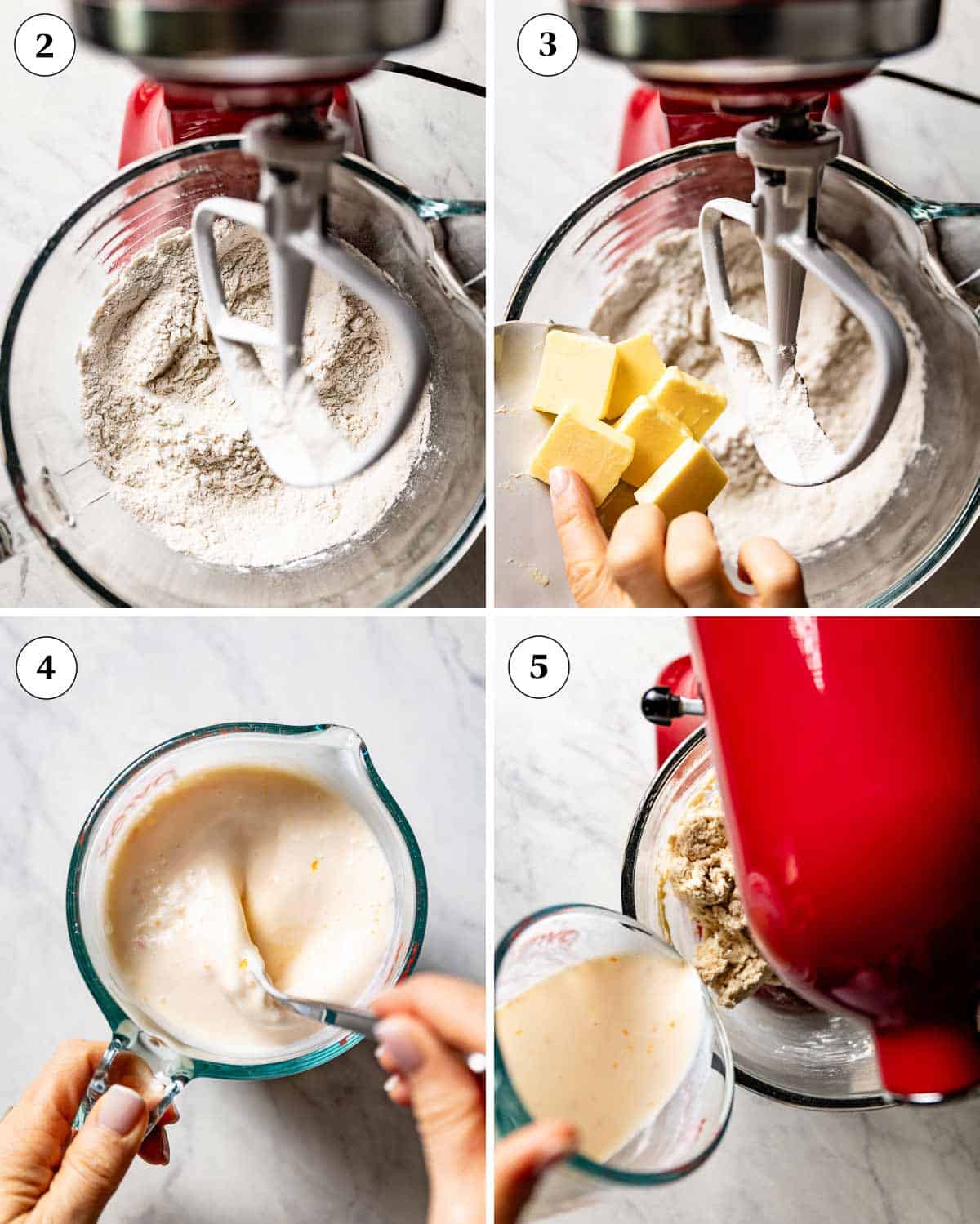
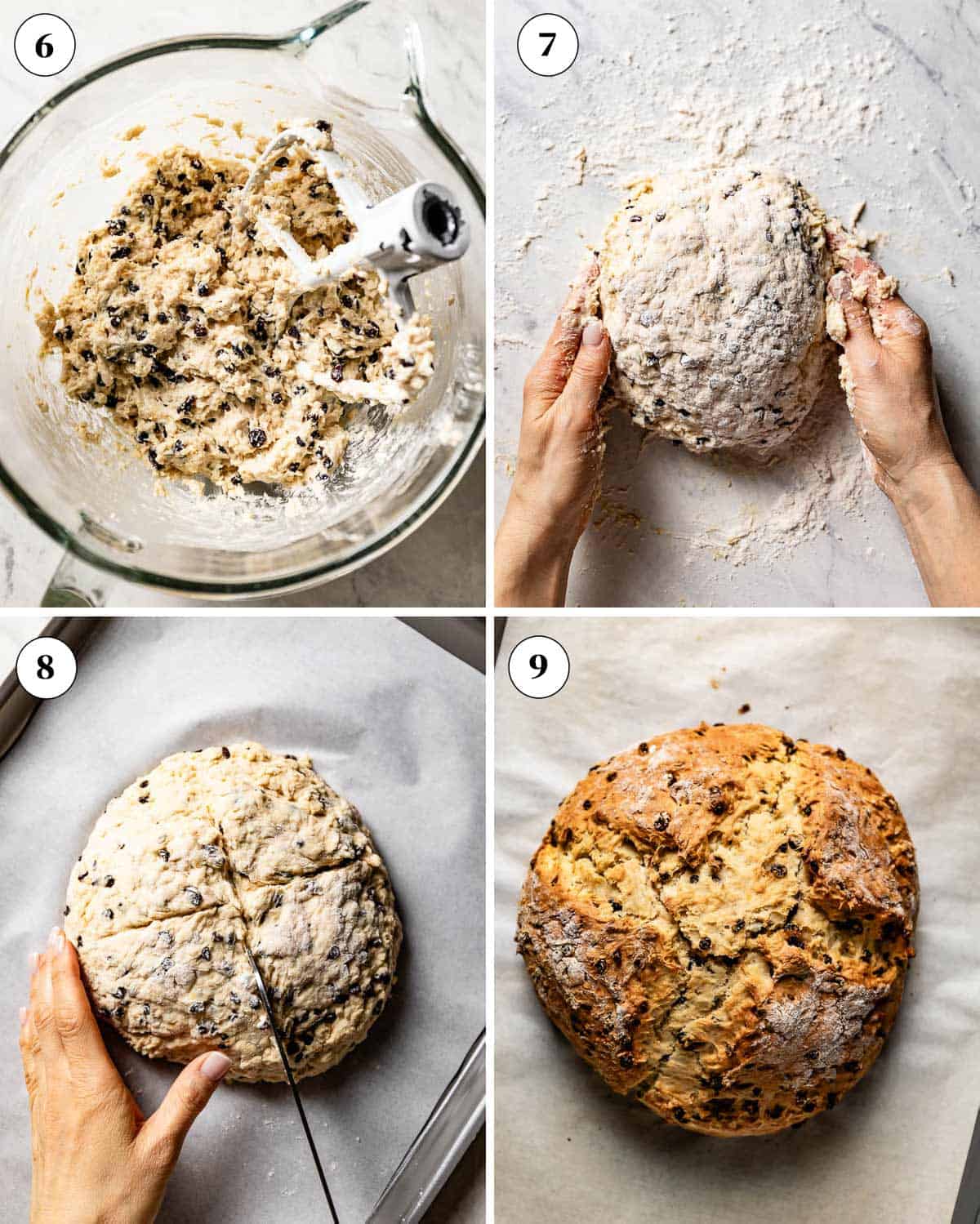
Keep the butter and buttermilk cold. The pockets of butter in the dough create steam in the oven, creating a tender, crispy loaf. The dough will be sticky: A wet dough is normal, so do not be afraid to add a generous amount of flour to your work surface. Additionally, it is okay to knead the dough for a minute or so. It will still be sticky (even after kneading), so don’t be alarmed. Do not overwork the dough: Handle it gently, and do not knead excessively. Overmixing can make the loaf tough and rubbery. Cast Iron Skillet: Try baking it in a seasoned cast iron skillet. The extra heat conduction creates a crisp crust that is heavenly. A preheated baking stone can also work. Listen for the hollow sound: A key characteristic of soda bread is the hollow sound you hear when it’s tapped on the bottom of the loaf. When you hear it, you know it’s ready. If this is your first time making Ina’s recipe, you can also insert a cake tester into the center, which should come out clean. Do not slice it when it is hot: Patience is key. Slicing the bread while still piping hot can cause it to crumble. Wait at least 30 minutes – 1 hour for the bread to rest and set its structure.