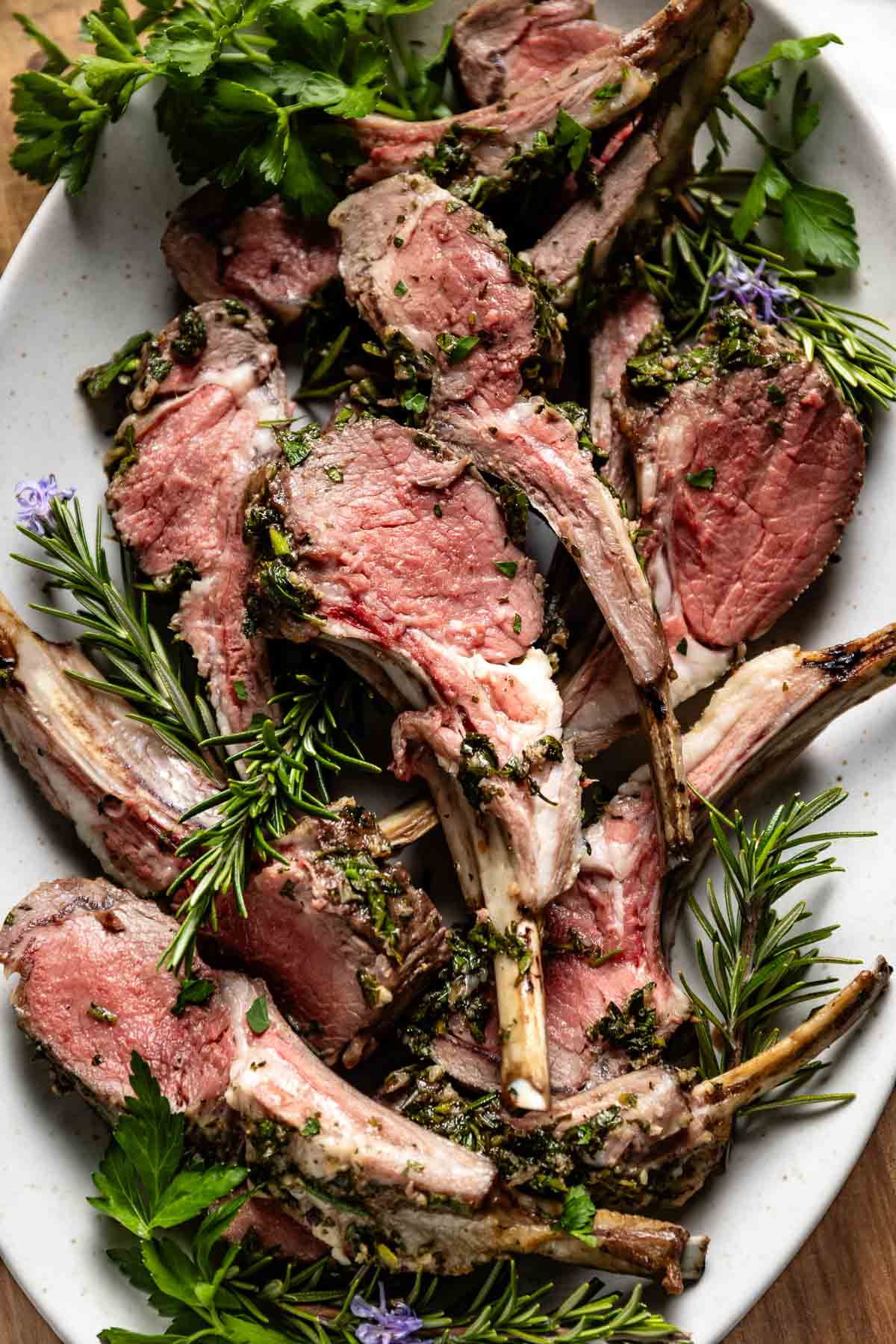
Grilled Rack of Lamb brings an incomparable smokiness to this meat, giving you the ultimate cookout menu. Or, if you want a more hands-off cooking method, my Pressure Cooker Lamb Shanks will give you fall-off-the-bone meat, finished with a red wine gravy that will have everyone at the table asking for seconds.
Rack of Lamb
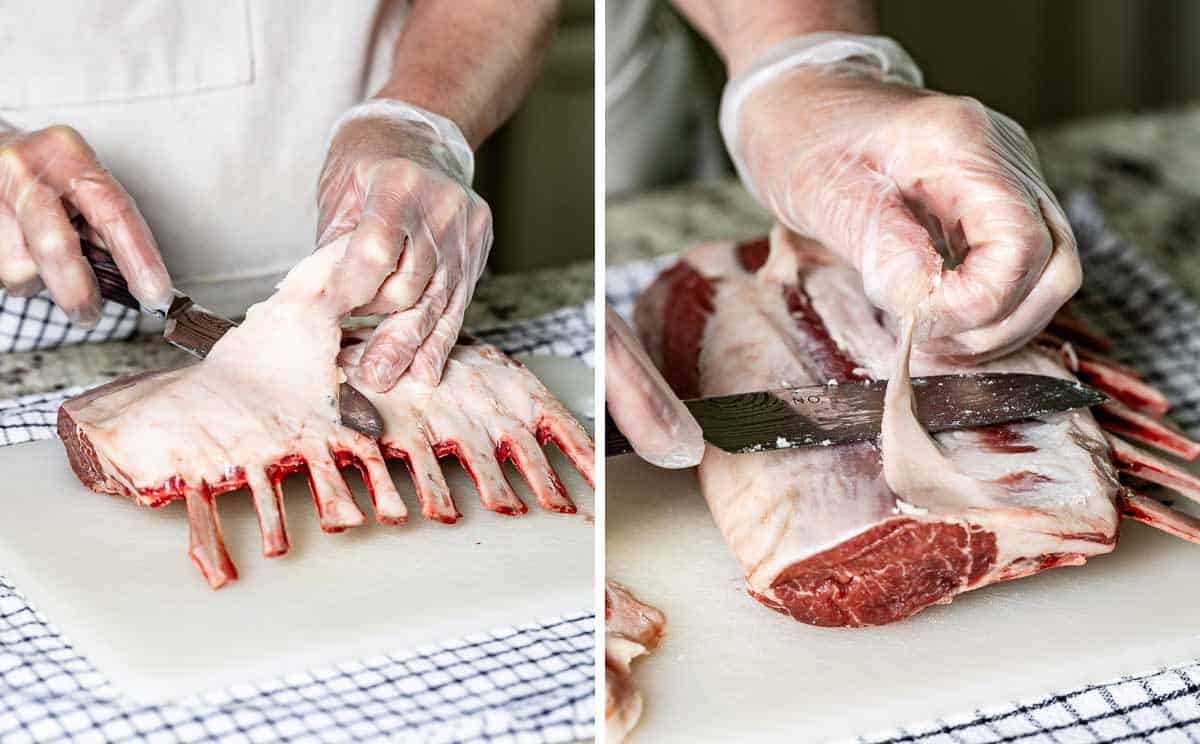
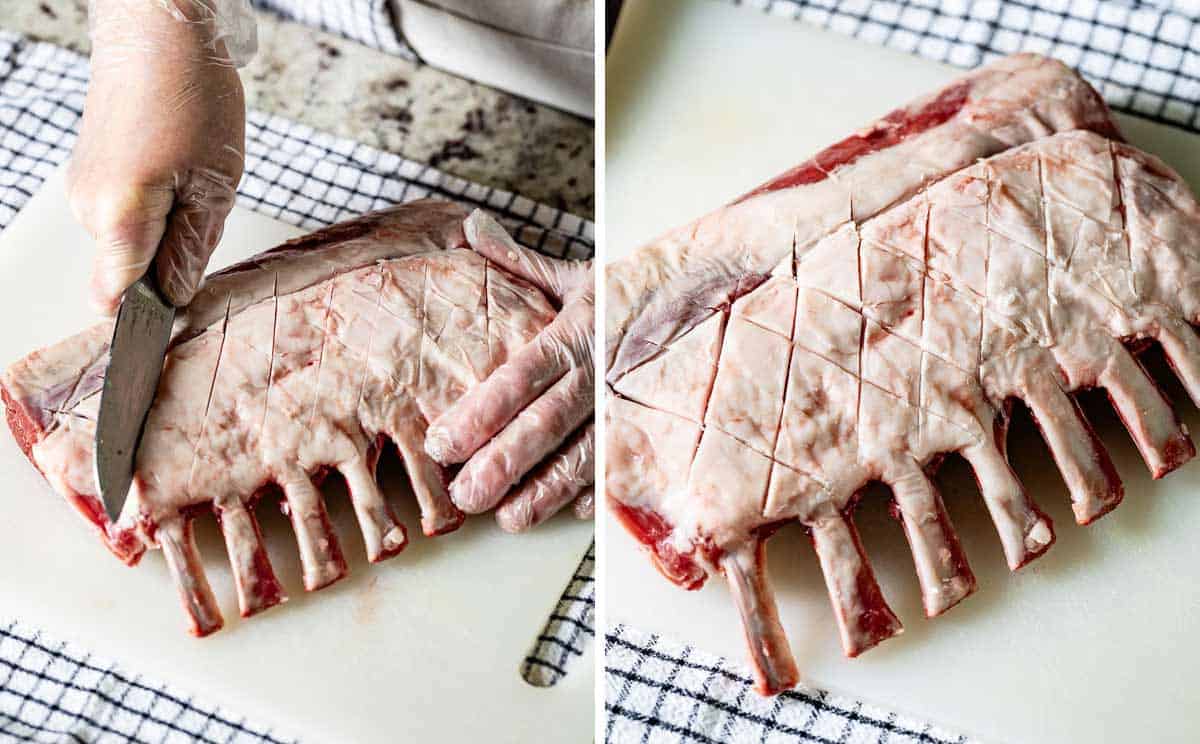
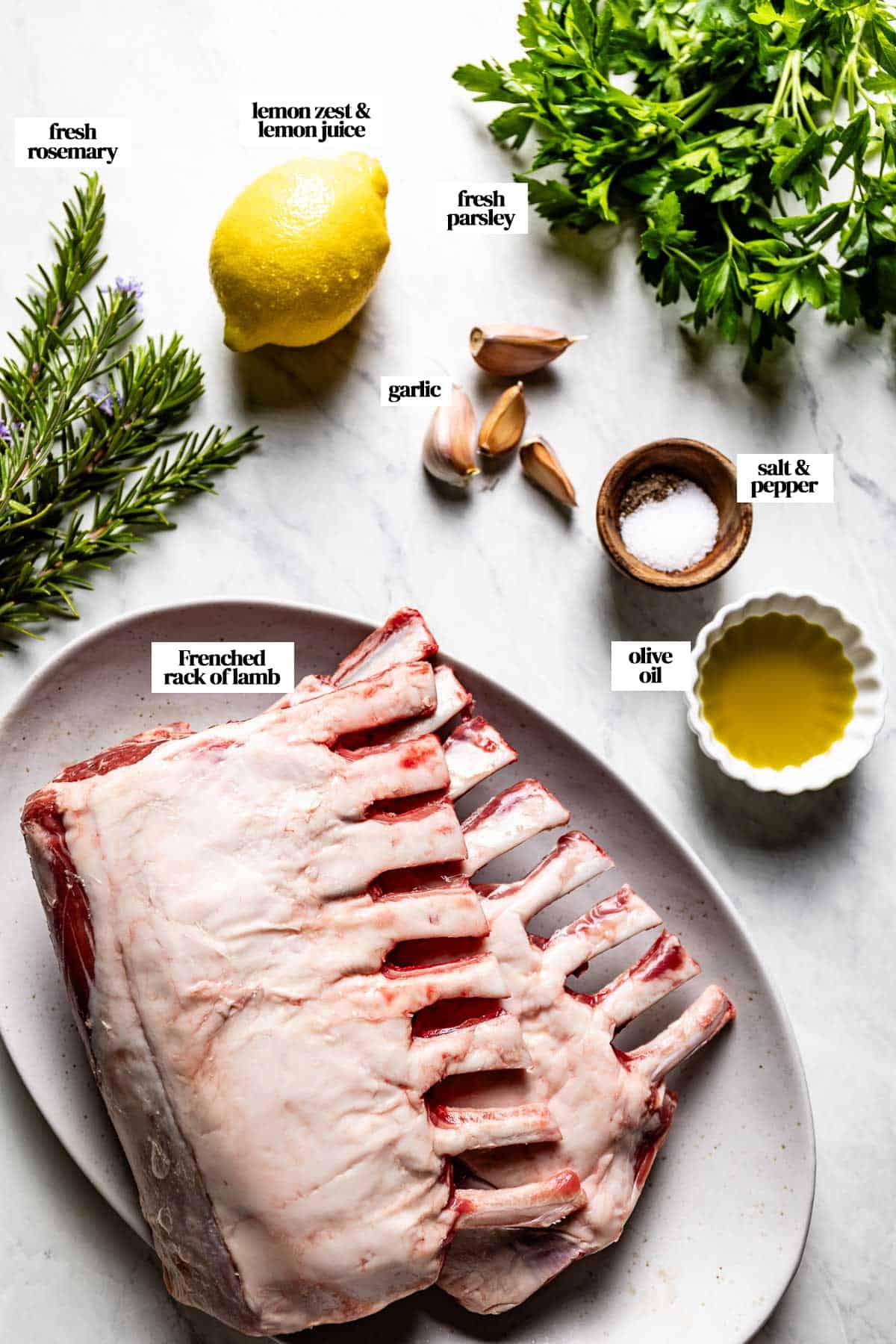
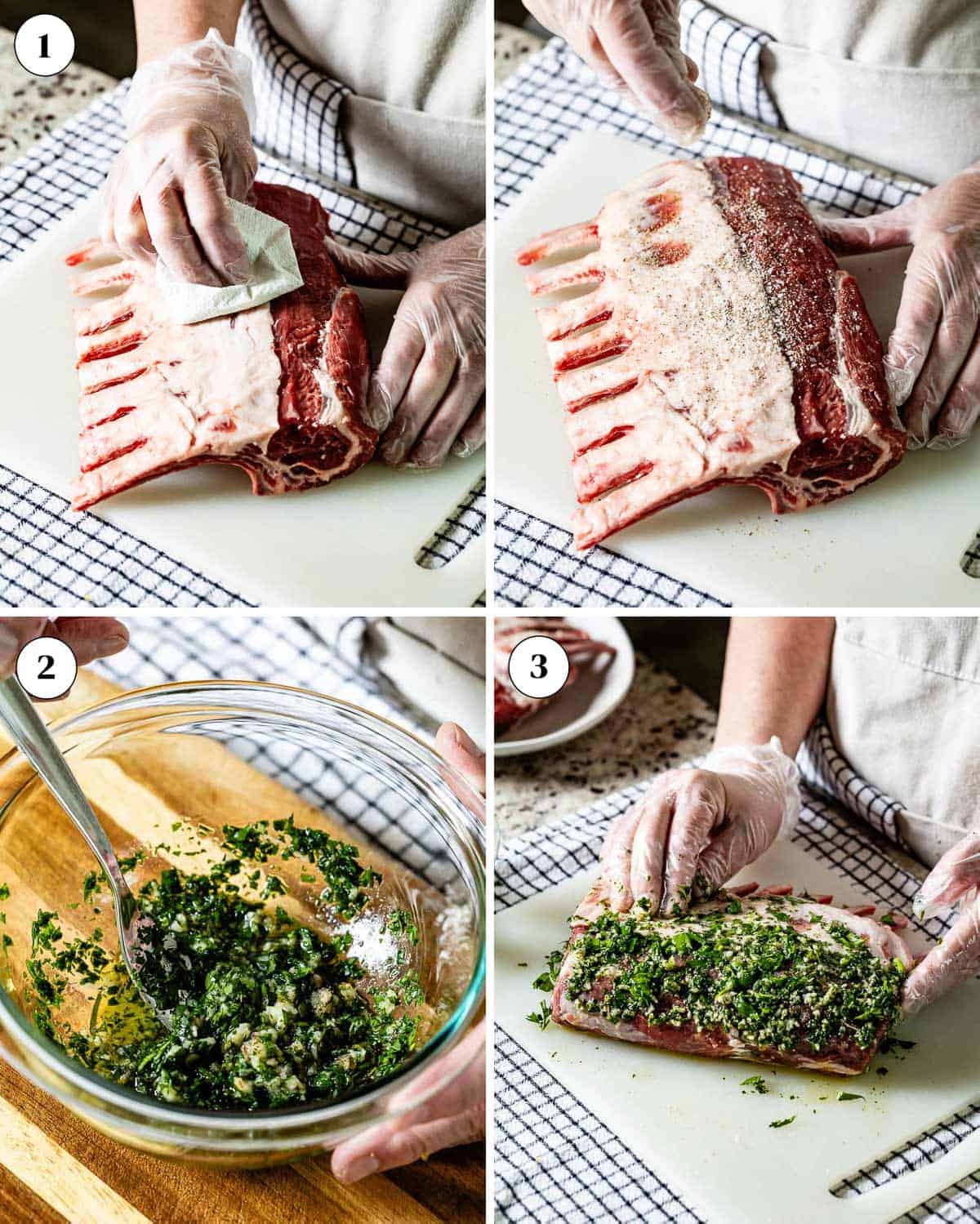
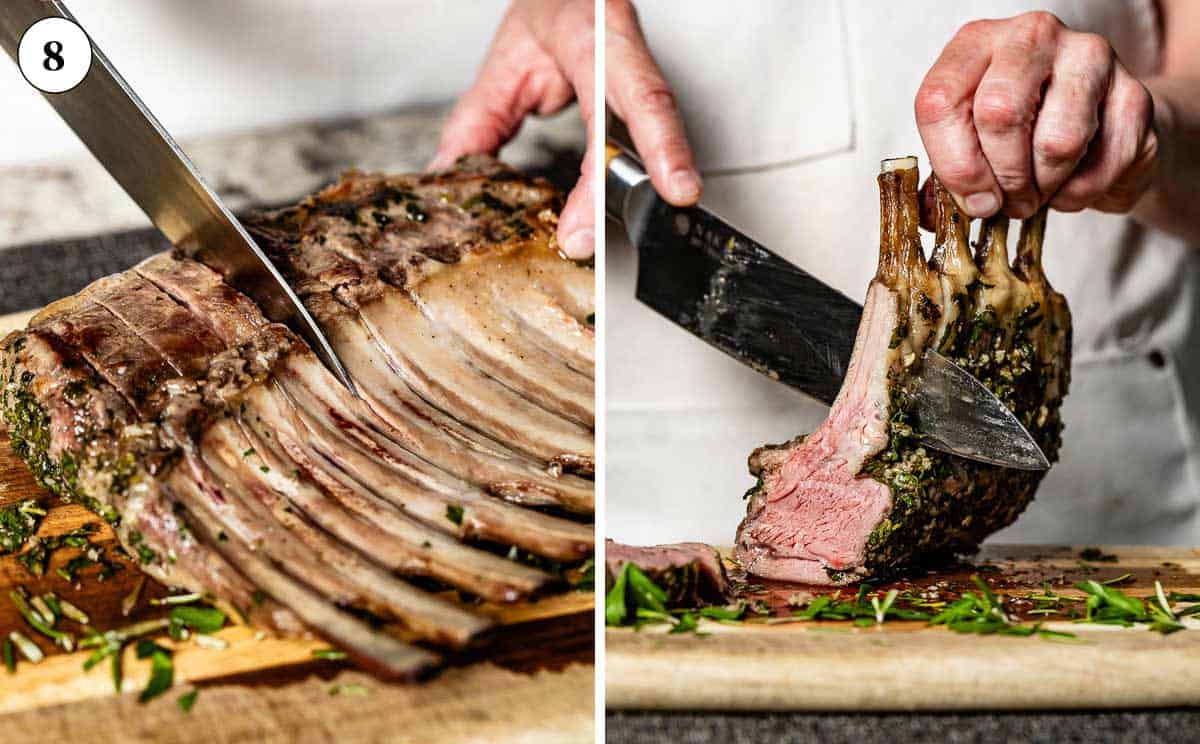
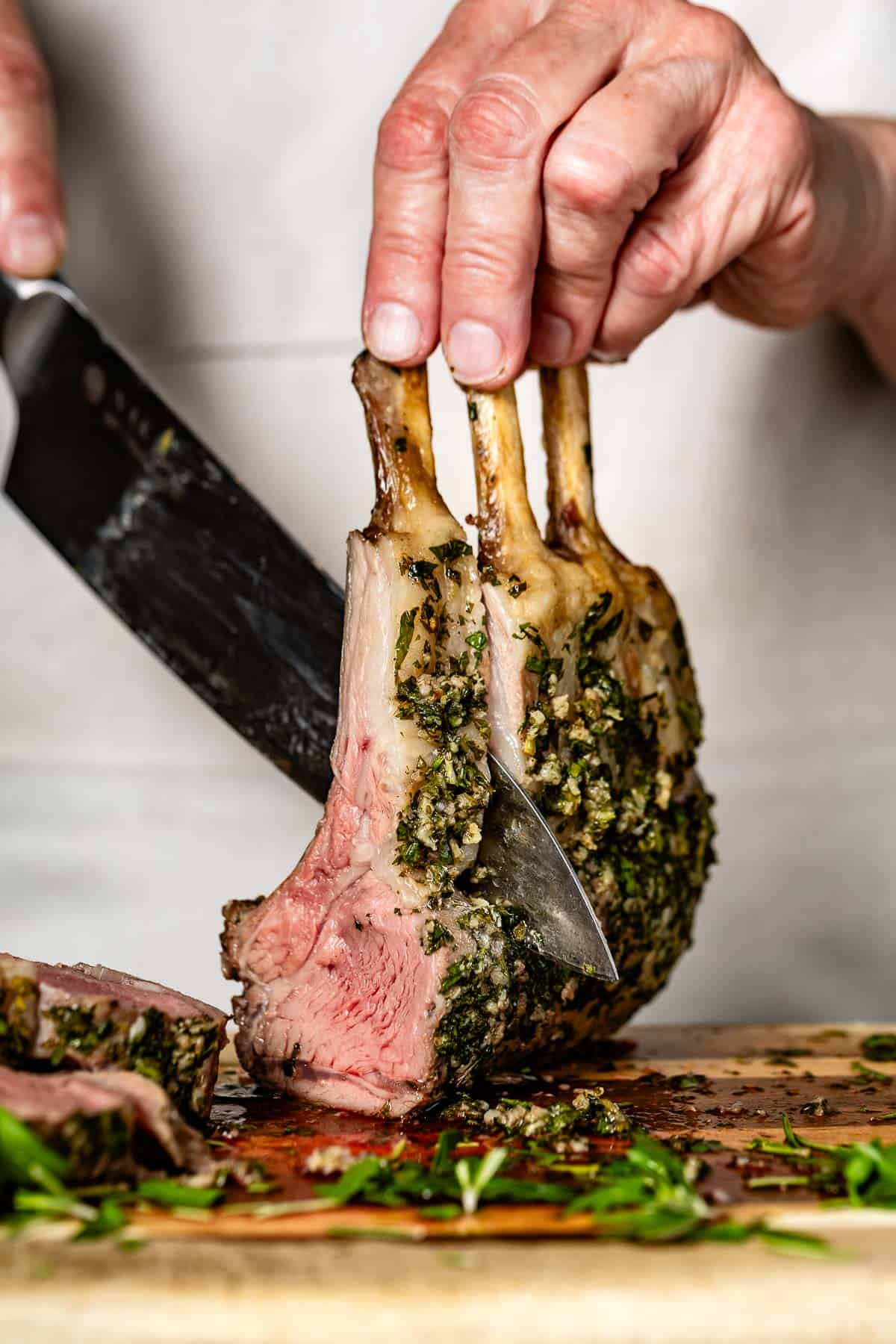
I used two whole Frenched racks of lamb for this recipe, each weighing about 1 – 1 ½ lbs.—the perfect portion size for four people. I usually buy this cut from Costco, which tends to sell Australian racks of lamb, though you may also purchase American (AKA domestic-grown) lamb if preferred. Furthermore, I also used a French-trimmed rack of lamb, which refers to the removal of the excess meat and cartilage from the rack’s bones, thereby exposing their ends. Though this trimming process doesn’t affect the lamb’s overall taste or cooking, it does result in a cleaner, more professional presentation, and it makes it easier to locate where to cut during the slicing process. If your local butcher hasn’t already done so, they can French-trim your meat, or you can do it yourself. When preparing the rack of lamb for roasting, consider trimming the excess fat (known as the fat cap) from the top. While this is an optional step, during our recipe testing, I’ve learned that leaving all the fat on can result in a rack of lamb that feels too greasy. A sharp knife will do the job nicely, allowing you to remove some of the extra fat and the silver skin. With that being said, it is important not to remove all the fat, as keeping some ensures the lamb remains juicy and flavorful. Alternatively, you can leave the fat cap on. However, if you do so, I recommend scoring the meat using a sharp chef’s knife. To do so, gently slice through the fat to create a crosshatch pattern, being careful not to penetrate the meat itself. This technique not only aids in the adherence of the marinade but also facilitates the rendering of fat during cooking. As a result, your roasted rack of lamb remains juicy and succulent.
Marinade Ingredients
Vegetable oil: Because this recipe requires you to roast your lamb at high temperatures, select an oil with a high smoke point, such as olive oil (you can use extra virgin olive oil if that is all you have) or ghee. Fresh garlic cloves: To give your roast lamb rack a deliciously robust, buttery taste, you’ll need about two tablespoons of pressed garlic, which is about 4 medium-sized cloves of garlic. However, be sure to use either pressed or extra-finely minced garlic, as larger chunks will burn in the high-heat oven. In a pinch, you may use garlic powder instead, but I found that fresh varieties had a deeper, more complex flavor. Fresh rosemary: One tablespoon of fresh rosemary is all you need to ensure your lamb’s crust has an aromatic infusion of woodsy, herbaceous flavors. I recommend finely chopping your rosemary before adding it to your seasoning mixture. This way, it can better release its flavor and coat your lamb rack more evenly. Fresh parsley: Colorful, fresh, and light, fresh parsley is one of my favorite ways to balance the stronger flavors of this lamb marinade. You’ll need one cup of loosely packed fresh parsley, which yields about ¼ cup of finely chopped parsley. Lemon zest and juice: These citrusy ingredients lend this garlic-crusted rack of lamb bright, zesty undertones—but that’s not all! Lemon also does wonders for tamping down any gamey flavor in your lamb, leaving it with a fresh yet savory finish. Kosher salt and black pepper
Other Seasoning Options
Though I use a garlic-rosemary marinade to season my lamb rack, there are many other flavor combinations to try! Below are a few foolproof flavorings that will give your recipe a smoky, spicy, or zesty finish.
Dry rub: Looking for a tasty dry rub for your rack of lamb? You can easily make a Mediterranean rack of lamb using my Mediterranean Spice Blend, which expertly balances bright and earthy flavors of natural ingredients like oregano, dill weed, and basil. Or, if you’re in the mood for a spicy-sweet profile, Middle Eastern 7 Spice comes together in just five minutes with delicious additions like cumin, nutmeg, and ground cinnamon. Other fresh herbs: If you can’t get fresh rosemary, feel free to experiment with other fresh herbs. I also like fresh thyme in this recipe. Mustard: Tangy with a spicy finish, mustard is a great addition to the basic marinade we are using here. If you prefer to make your rack of lamb recipe with mustard, add one tablespoon of Dijon mustard to the marinade for a bold burst of flavor.
Below, you’ll find a chart in which I detail the rack of lamb cooking temperatures and times to achieve your ideal level of doneness. The USDA recommends cooking lamb to a minimum of 145 degrees F. (63 degrees C.) to ensure maximum food safety. However, you may adjust this temperature depending on how you like your meat, whether it be medium-rare, medium, or medium-well.
Weight of the cut: As you begin thinking about your ideal rack of lamb cooking time, I encourage you to consider the weight of your cut first. For this recipe, I used two racks of lamb, each weighing about 1 – 1 ½ lbs., and I roasted them for 18-25 minutes at 450 degrees F. (depending on the level of doneness.) However, because there’s a direct correlation between cooking time and weight, if you have a lighter or heavier cut, you should adjust your timing accordingly. Carry-over cooking: Keep in mind that your meat will continue to cook once you remove it from the oven. This process, often called “carry-over cooking,” will raise your lamb’s internal temperature by 4-5 degrees F. after it’s out of the oven. Therefore, I recommend removing the rack of lamb from the oven when its internal temperature reaches 4-5 degrees F. below your ideal final temperature. Oven temperature: In terms of what temperature to cook a rack of lamb, I found that a high-heat oven—450 degrees F.—is the way to go. This high heat ensures that the outer edge of the lamb cooks to a crisp crust while also thoroughly roasting the body of the meat.
No matter what level of doneness you’re aiming for, I highly encourage you to use an instant-read thermometer inserted into the center of the meat to get the most accurate gauge.
How to Make Ahead, Store, and Reheat?
This rosemary garlic lamb rack is a weeknight must, given its delicious flavor and effortless prep. However, if you want to save this tasty dish for later, these storage tips will ensure your meal prep game is on point.
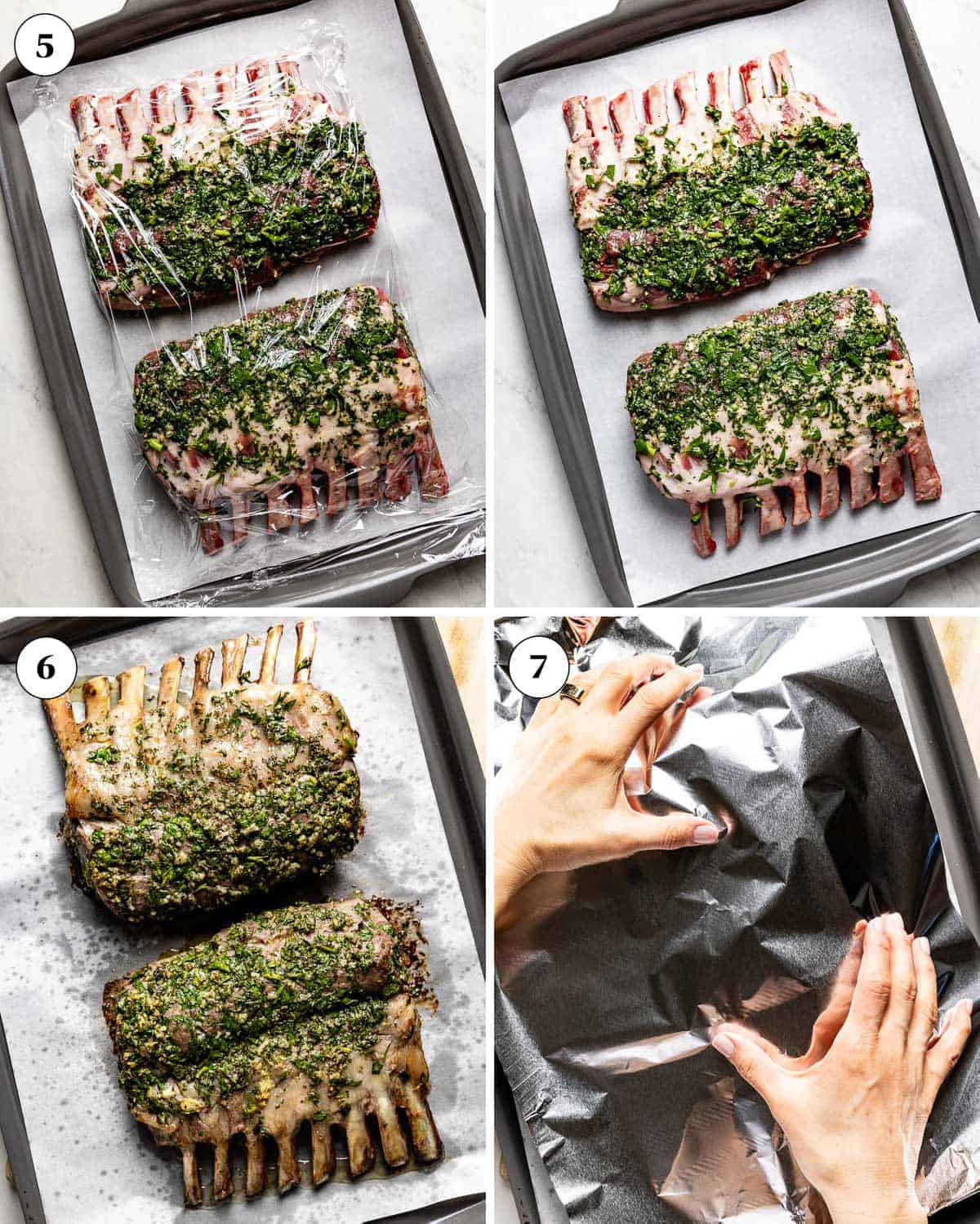
Make ahead: To get a headstart on this recipe, start by seasoning and marinating the meat up to 24 hours in advance. You can then store your lamb in the refrigerator in either an airtight container or a Ziplock bag with as much air removed as possible. Then, all you need to do is remove the meat from the fridge 30-60 minutes before cooking and roast the rack of lamb once it reaches near-room temperature. Store: When storing the leftovers of this herb-crusted roast rack of lamb, I recommend keeping it unsliced to retain as much juice as possible—especially while reheating. However, if you’ve already cut your meat, that’s completely fine! Whether whole or sliced, you can store your meat in an airtight container in the fridge for up to 3-4 days. Reheat: Some people prefer using a microwave to reheat the leftovers of a roast lamb rib rack. However, to ensure the most even, ideal temperature throughout your meat, I recommend heating it in a low-heat oven (275-300 degrees F.) for 5-10 minutes or until warmed to your liking. Freeze: If you want to store your baked rack of lamb for longer, you can freeze it for 2-3 months. You can freeze it either whole or sliced, as long as you store it in a freezer-safe Ziploc bag with as much air removed as possible. Then, thaw the frozen lamb overnight in the fridge and reheat it when you’re ready to eat.
Yogurt-based sauces: Creamy, light, and flavorful, yogurt-based sauces expertly counter the more robust, meatier base of this roasted lamb rack. Tzatziki and Yogurt Dill Sauce both offer a tangy, garden-fresh taste. Or, if you’re looking for more robust flavors, Mint Yogurt Sauce and Horseradish Yogurt Sauce have a bolder profile, offering fresh, spicy, and even tart undertones—with minimal prep time! Mint sauce: British mint sauce is a classic pairing with a rack of lamb. This iconic combination helps cut through the richness of the lamb, cleansing the palate and enhancing the overall taste of the dish. Butter sauces: If you want to take this easy recipe for a rack of lamb to the next level, the solution is clear: butter! Rich, creamy, and decadent, my Baked Garlic Butter offers a delectable spread you’ll want to spread on everything from roasted meats to crusty breads. If you’re in the mood for a saucier recipe, my Butter Garlic Sauce takes less than ten minutes to make and infuses each bite with a full-bodied, herby-yet-sumptuous taste. Potatoes: One of the greatest ways to transform this lamb rib roast recipe into a full menu is by serving it alongside a hearty plate of potatoes. Air Fryer Baby Red Potatoes are a rustic and savory side that makes for a highly servable, picture-perfect spread. Otherwise, my Rosemary Mashed Potatoes are a no-brainer for anyone in the mood for a luscious, smooth, and buttery side you’ll want to spoon right out of the pot. Vegetables: If you prefer a lighter side dish, Roasted Asparagus offers a tender, garlicky side bursting with fresh green color, while Sauteed Eggplant is a simple, twenty-minute side that you can customize with cheesy, herby, or oniony additions. In fact, any of my eggplant recipes would compliment this rosemary garlic rack of lamb, whether you’re looking for a fresh, savory, crispy, or gooey dish.
Remove meat from the fridge 30 minutes before cooking: Whenever you’re cooking meat, it’s a best practice to let it come closer to room temperature before putting it in the oven. This pre-roast resting time ensures the entire cut warms evenly so the colder insides aren’t undercooked. If you add my rack of lamb marinade to the meat and let it sit on the counter for 30-60 minutes before cooking, you don’t need to worry about this step. However, if you let your lamb marinate overnight in the refrigerator, I recommend removing it from the fridge at least 30 to 60 minutes in advance. Chop herbs and garlic finely: During the recipe testing, as I tried to create the perfect marinade for a rack of lamb, I learned that it is important to chop everything as finely as possible. This is especially important when it comes to garlic. If you leave big pieces of garlic in the marinade, they can burn easily when cooked in a very hot oven. Therefore, I recommend chopping both the herbs and garlic as finely as possible before mixing them with oil and spreading them on the lamb rack. If chopping by hand sounds like too much work, and if you own one, you can use a mini food processor instead. Use a meat thermometer: The best way to tell a rack of lamb’s doneness is to use a meat thermometer, as it will accurately and precisely tell you your meat’s internal temperature. To effectively use a meat thermometer on a rack of lamb, slide the probe deep into the center of the meat, being sure to avoid touching the bones. Let it rest: As with other high-end cuts like Prime Rib and Beef Tenderloin, resting time is critical to getting the best temperature, flavor, and juiciness from your oven-baked rack of lamb. After you remove the meat from the oven, cover it loosely with a tent of aluminum foil for 10-15 minutes. Firstly, this time will allow the lamb’s juices to redistribute throughout the meat, ensuring maximum succulence. Plus, resting will ensure the meat reaches your desired temperature, as the carry-over heat from the oven will continue cooking the meat, raising its temperature to your preferred doneness. Searing rack of lamb: If you’ve looked at other recipes for lamb, you might have noticed that some people suggest first searing the rack of lamb on the stove and then finishing it in the oven. Some even do it the other way around, using a reverse-sear method. While those are good ways to cook lamb, I found that pan-searing was an unnecessary step. Roasting the room-temperature lamb in a high-temperature oven for a short period of time worked well and delivered a perfectly cooked herb-crusted rack of lamb. Broiling: When testing this recipe, I didn’t find broiling the rack of lamb necessary, as the lamb’s fat cap already results in a nice crust when baked in a high-heat oven. However, if you want to make this crust even more pronounced, you may broil your roast during the final 1-2 minutes of its roasting time.